Institutional Context
Summary
Our vision for Arts University Plymouth (AUP) is a new kind of art school for the 21st century, preparing graduates who are uniquely placed to provide creative solutions to the complex global challenges of our times.
AUP is an independent, specialist arts university run by artists and designers for artists and designers.
Our university is widely regarded as a catalyst for individual, societal, and ecological transformation. We continually strive to deliver innovative and distinctive learning, teaching and research through our unique interdisciplinary ecosystem of materials, processes, technologies and Knowledge Exchange (KE). All of this is wrapped within a city that is brimming with creative confidence and cultural opportunities, nestled between the wild beauty of the Atlantic Ocean and Dartmoor.
Institutional context
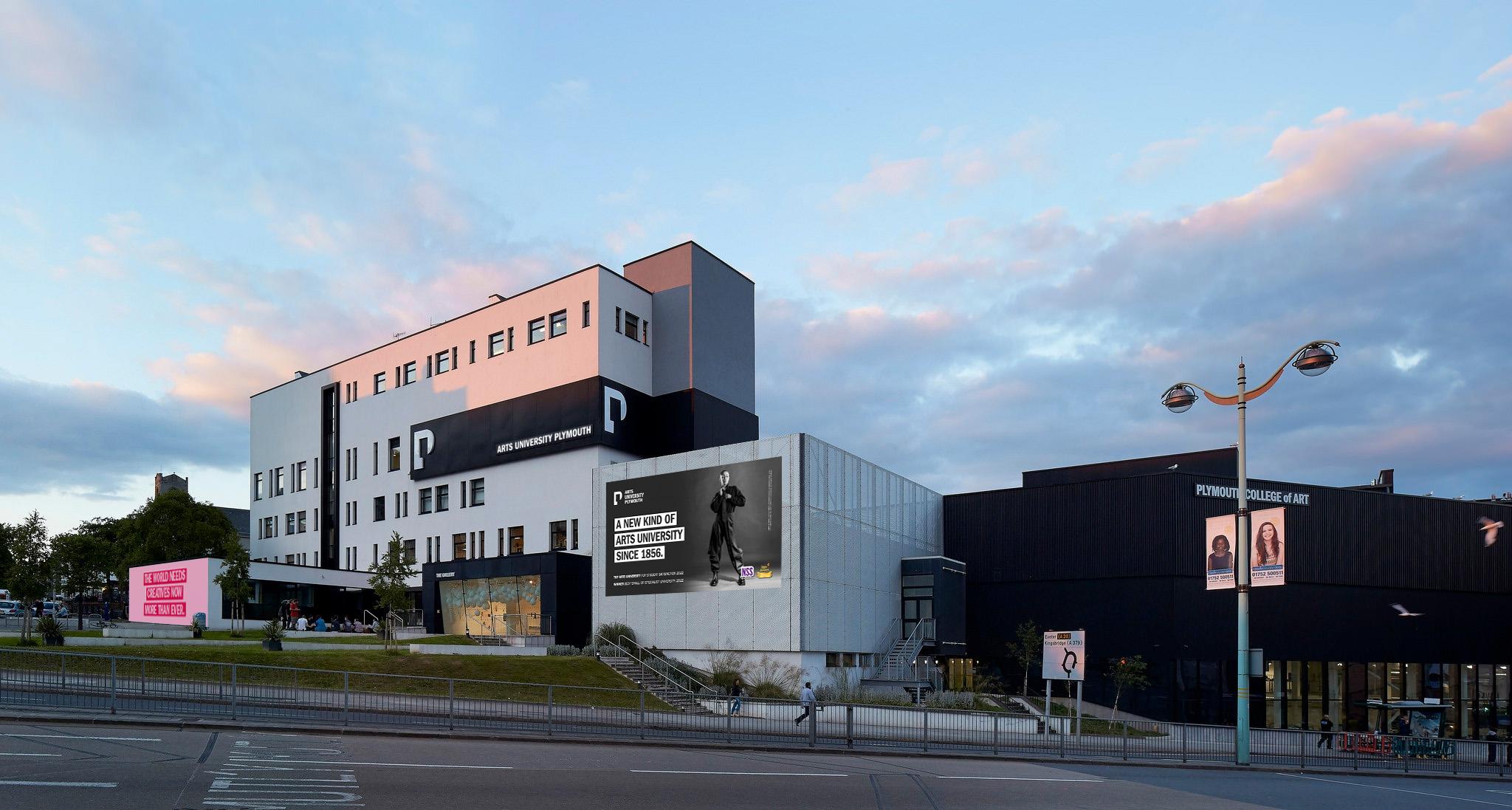
Figure 1. Front exterior of Arts University Plymouth
Founded in 1856, Arts University Plymouth (AUP) offers a comprehensive spectrum of specialist undergraduate, postgraduate and pre-degree study in Arts, Design and Media – combining over 165 years of creativity with contemporary thinking and cutting-edge, industry standard resources.
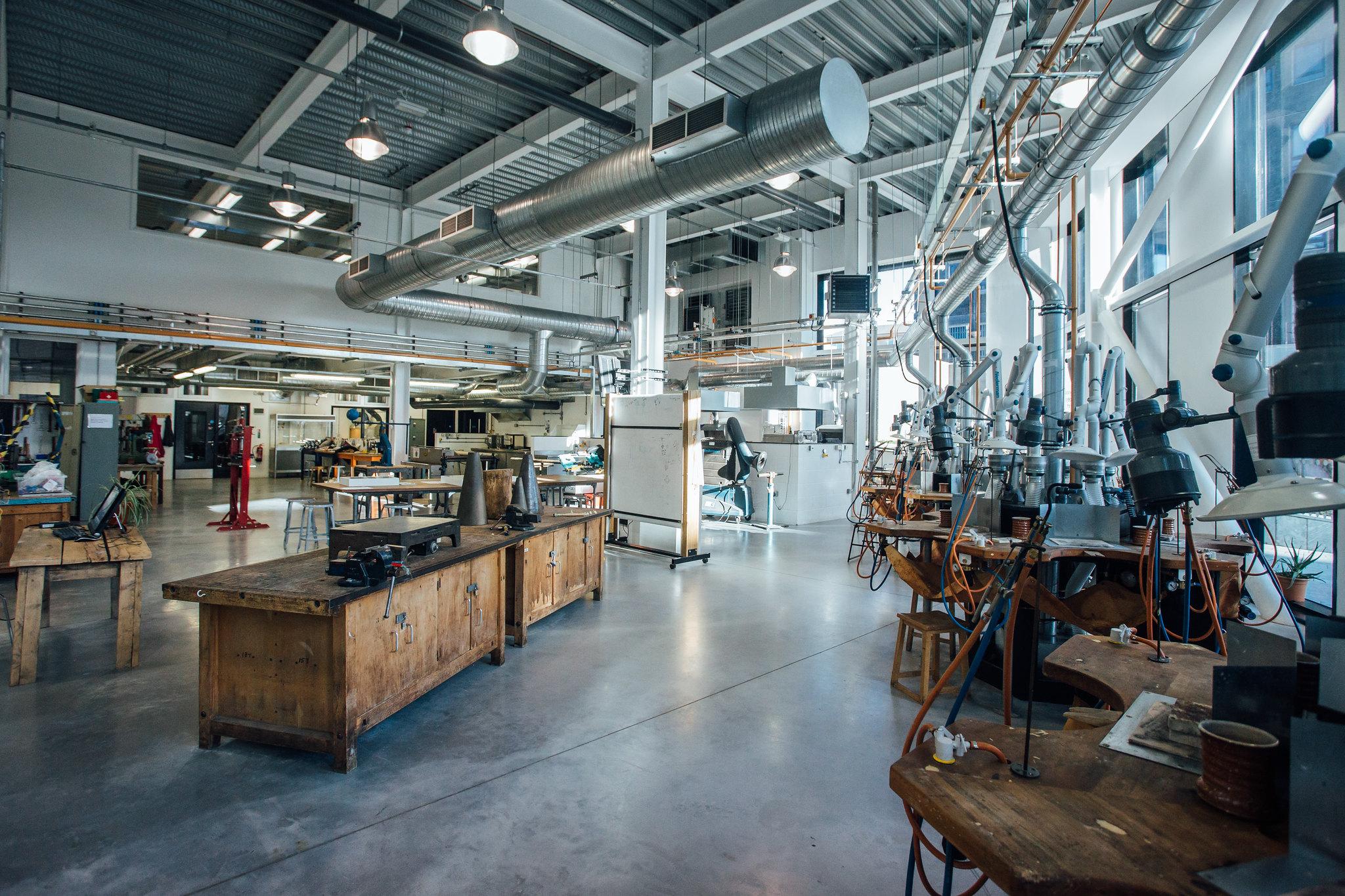
Figure 2. Crafts studio interior of Arts University Plymouth
In 2020, during global uncertainty, we proclaimed that ‘the world needs creatives now more than ever’; this is a call to action and a public commitment that as an institution we will continue to impact social justice and ecological change. This is underpinned by our Vision, Ethos, Purpose and Mission. We do this by preparing our graduates to be uniquely placed to provide creative solutions to complex global challenges of our times and through our social and community engagement activities.
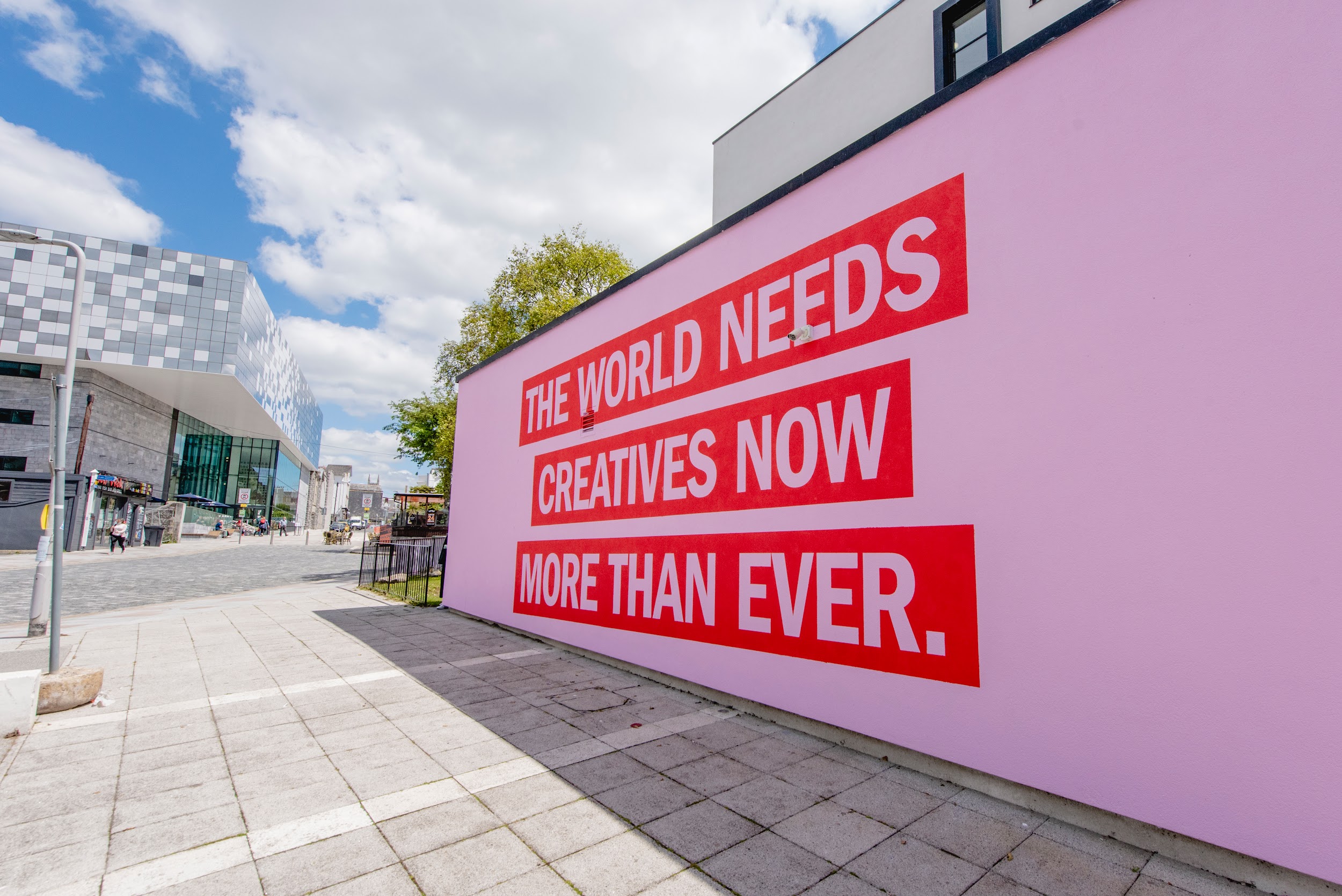
Figure 3. Exterior wall of Arts University Plymouth featuring the branding campaign 'The World Needs Creatives Now More Than Ever'
The period 2019 to 2022 has been transformative for AUP:
2019, awarded Taught Degree Awarding Powers by the QAA
2022, Professor Paul FieldsendDanks was appointed as Principal and CEO and subsequently Vice-Chancellor
2022, Plymouth College of Arts was awarded full University title and became Arts University Plymouth
In 2022, we were awarded the National Student Survey top arts university in the UK for overall student satisfaction (student vote), and the Best Small or Specialist University at the WhatUni Student Choice Awards.
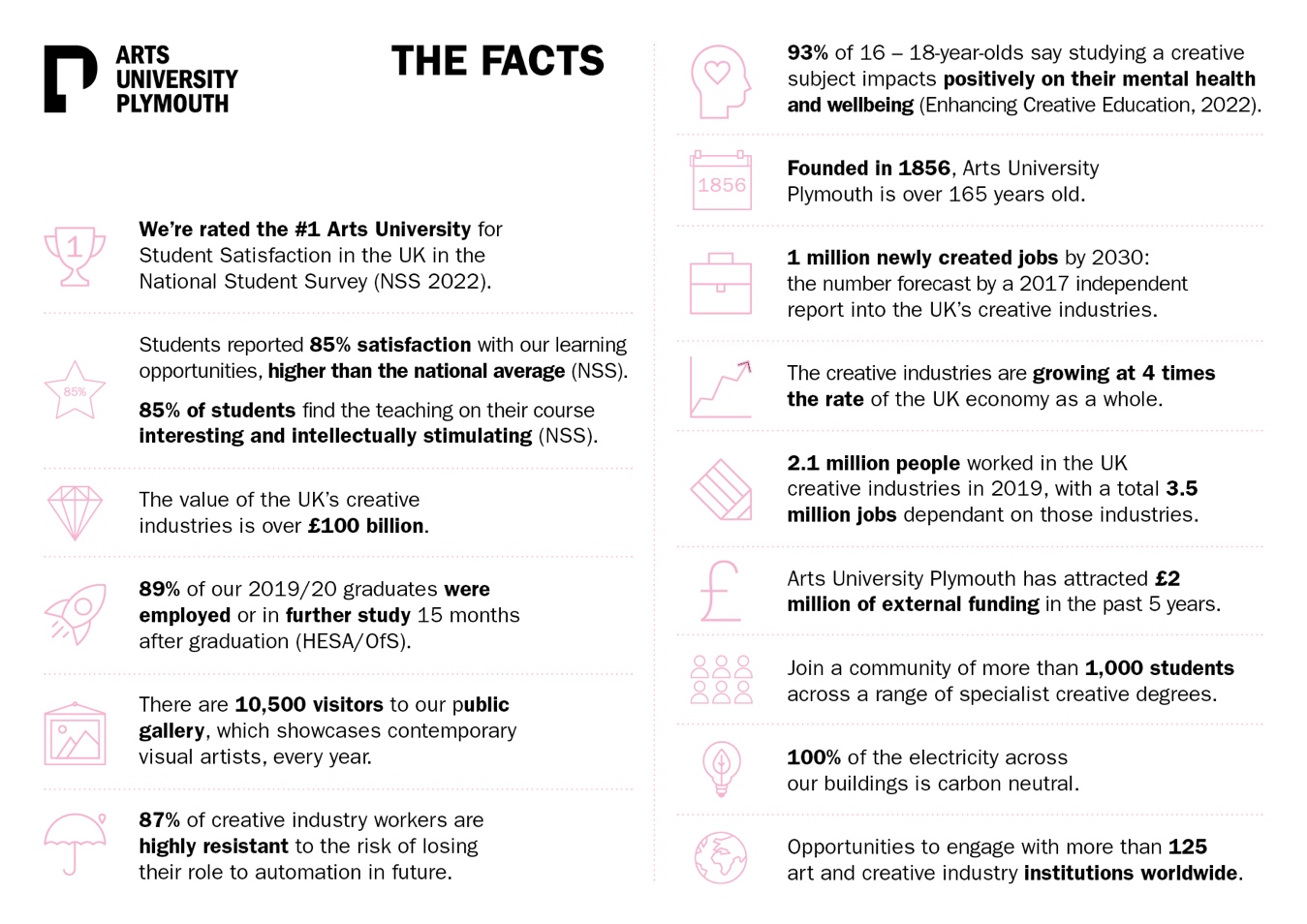
Figure 4. Arts University Plymouth: The Facts
Parallel to this, our strategic frameworks have evolved to reflect our growing strengths and ambitions; consistent throughout is our commitment to social justice and awareness of our civic responsibility.
AUP’s Strategic Plan 2018-2023, identified two pillars for the organisation, Creative Learning and Social Justice. These are supported by four activity areas: purposeful learning, creating agency, placemaking, and broadening horizons. The Research, Engagement and Impact Strategy 2018-2023 (REIS) maps its objectives directly against the Strategic Plan and is committed to:
Developing distinctive research in creative learning and practice
Building social capital, cultural leadership and economic impact in Plymouth and our wider region
Fostering strategic partnerships to grow the influence and visibility of our work
In 2021, we were awarded KE Funding for providers eligible for, but not in receipt of HEIF from Research England, enabling us to hone our focus on KE:
We developed the Strategic Plan’s Creative Learning and Social Justice pillars into an ecosystem of people, place, and partners with KE at its heart
We expanded the four REIS areas of activity to six: lifelong learning; creating agency/capacity; broadening horizons/creative change; public/civic engagement; innovation/creative technology; placemaking
We developed an Action Plan Statement providing a tangible route to meeting our commitments
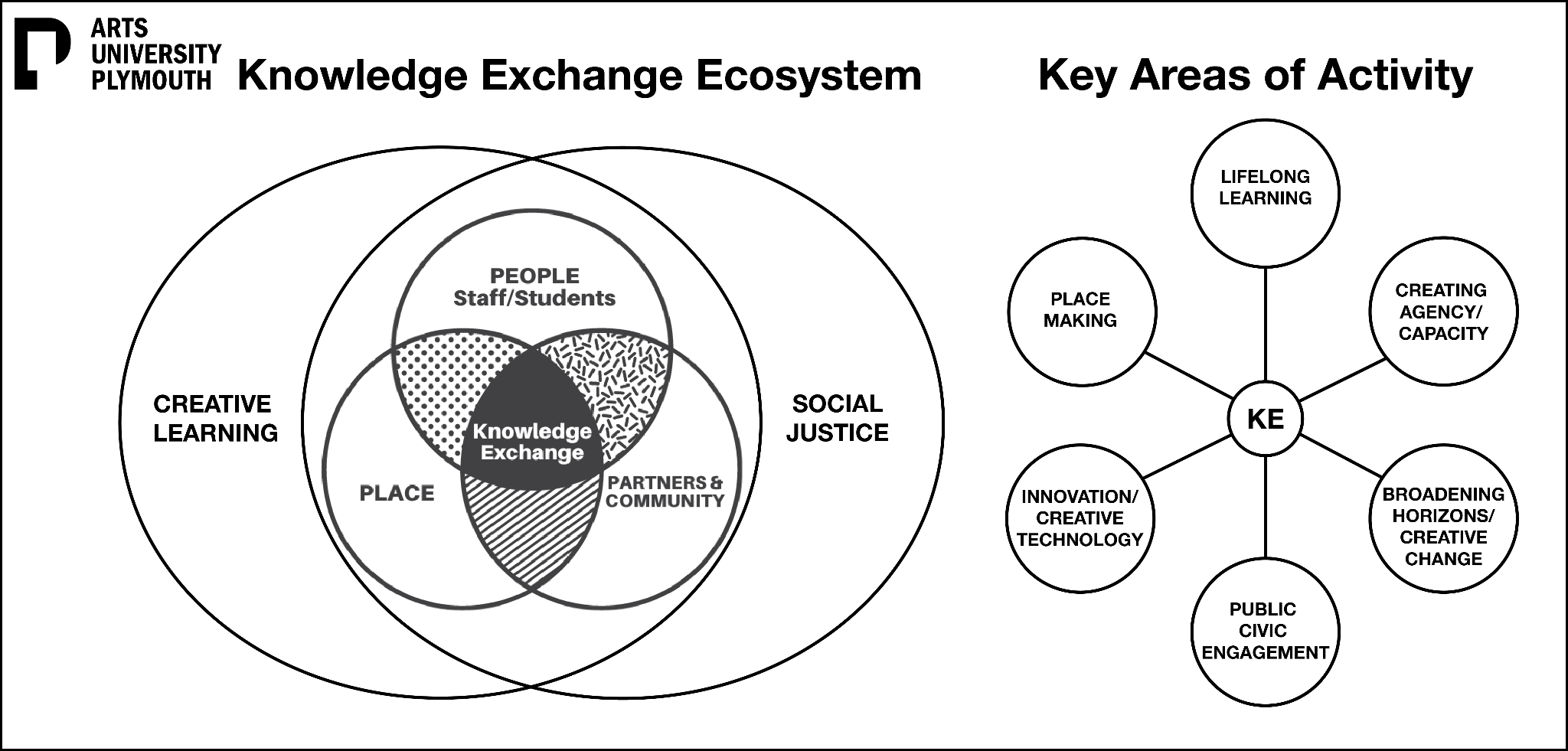
Figure 5. Arts University Plymouth's Knowledge Exchange Ecosystem
The appointment of Professor Paul Fieldsend-Danks as Vice-Chancellor (2022) has initiated a forthcoming new AUP Strategic Plan Creative Education for a Changing World. This ensures that our work is energised and designed to meet the ambitions of our students and staff while acknowledging the shifting realm of creativity through new technologies and the workplaces of tomorrow.
This new and confident trajectory towards 2030 is based upon sustainable growth, solution focussed teaching and research, and a commitment to impactful social justice and ecological change through our people, culture and place.
For further information, please send queries to projects@aup.ac.uk
Local Growth and Regeneration
Summary of approach
Arts University Plymouth (AUP) plays an important role within the development of the City of Plymouth. As a specialist institution, we hold regional, national and international significance.
AUP contributes to strategic committees and boards focussed on regeneration and growth at city and regional levels. Our partnerships and funded projects enable our international reach and influence.
AUP has developed its civic mission through reaching, connecting, and engaging with local communities. By creating strong collaboratively beneficial partnerships we have been contributing to the inclusive growth and economic impact of our city, region, and beyond.
Aspect 1: Strategy
Plymouth is a port city on the south coast of Devon. The south of the city is edged by the Atlantic Ocean, while the rivers Plym and Tamar flow into the Sound and form a boundary with Cornwall.
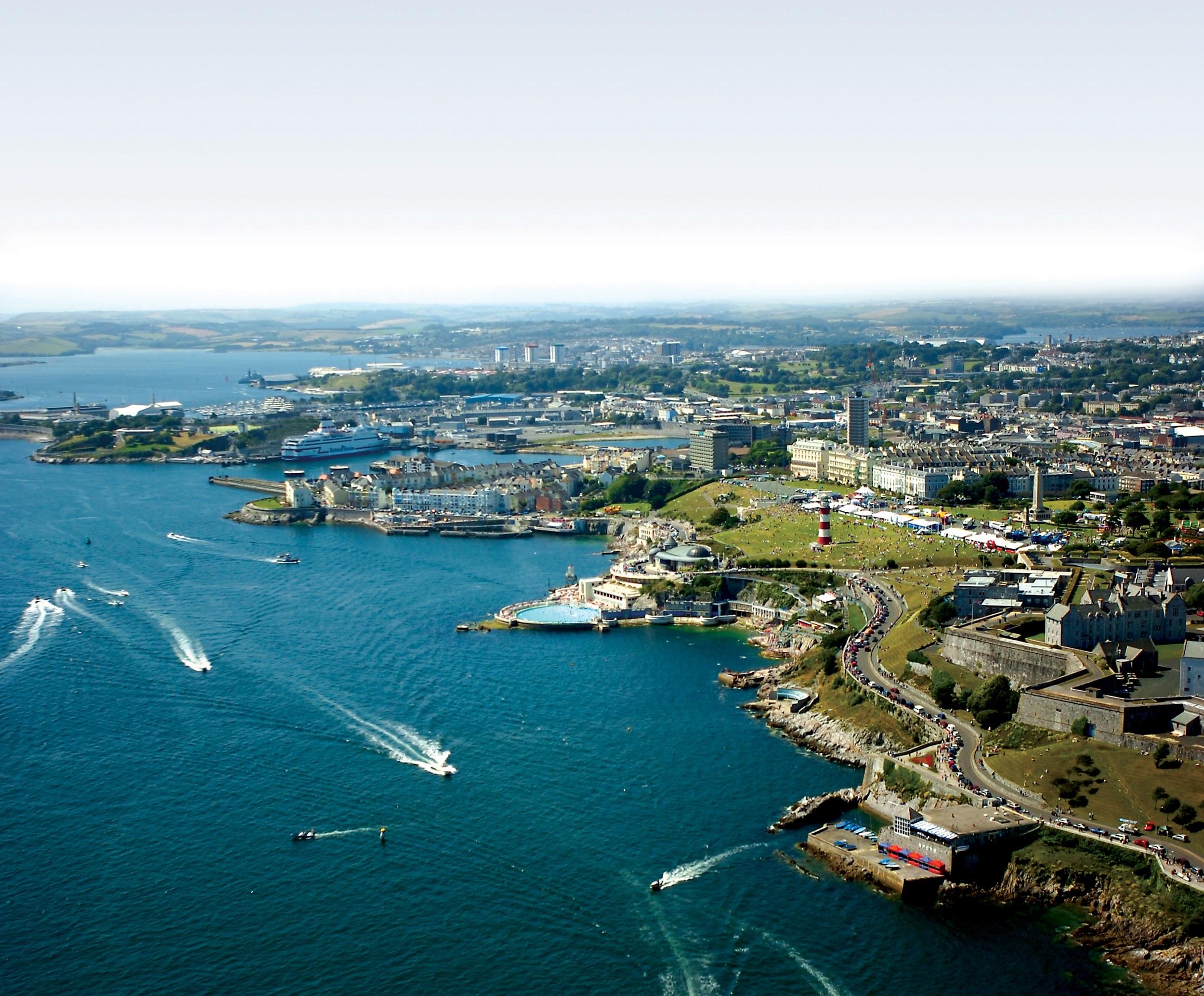
Figure 6. The natural harbour of Plymouth Sound
The City of Plymouth and AUP are of regional importance. Plymouth is the most significant urban agglomeration on the southwest peninsula: it has a population of 265,000 people, an economic output of GBP5,030,000,000, and provides 110,300 jobs (DATAPlymouth). Within Plymouth, AUP’s iconic city centre campus is located in the heart of Plymouth’s recently established Cultural Quarter.
As a smaller, unique specialist arts university, we hold an important place as a place-based institution. Our local growth and regeneration commitments are articulated through our Research, Engagement and Impact Strategy (REIS) and our KE Ecosystem (see Institutional Context). These frameworks promote the sharing and flow of knowledge and expertise between the AUP and our stakeholders, partners, and/or user communities. This is delivered through our Knowledge Exchange (KE) activities which enhance economic growth and development by:
Supporting the development of regional businesses and organisations
Raising skills and enhancing employability
Creating professional opportunities for our students and graduates
Stimulating entrepreneurship and SME development
Elevating the national and international profile of Plymouth and the region
Responding to the needs of our city and region
AUP is the only specialist arts university in Devon and only one of two in the far southwest. As such, we recognise that our community reaches beyond our student body and that we have a responsibility to support a wide range of stakeholders. The impact of our work in the city has extended reach and relevance to the region. Our REIS and 2021 KE Action Plan both make explicit commitments to Plymouth and the wider region and pledge to promote social and economic benefit.
AUP is directly involved in establishing or supporting a number of businesses, community-led initiatives, and organisations. This direct involvement ensures that we are connected with our key publics and stakeholders and are able to work collaboratively to respond to their identified needs.
We also identify the needs of the city through involvement in a variety of partnerships, engaging with data and research, and contributing and responding to local strategy and policy. For example:
Members of our Senior Leadership hold Board Membership on:
Plymouth Resurgam Growth Board (PRGB). Representatives from city organisations collaborate to drive forward the economic priorities of Plymouth. PRGB has provided Plymouth’s Plan For Economic Growth 2020-25, and the COVID-19 economic recovery plans for the city.
Plymouth Waterfront Partnership (PWP). Responsible for the delivery of the Waterfront Business Improvement District and the Waterfront Business Plan including management of a five year, GBP6,200,00 investment.
AUP was also an active member of The Box Stakeholder Group. The Box is Plymouth’s award-winning new museum, art gallery and archive; it is a neighbour to our main campus and a strategic partner.
AUP participates and responds to the Heart of the South West Local Enterprise Partnership sectoral engagement forums and sessions - Local Industrial Strategy. We also hold membership with Plymouth’s Employment Skills Board, Devon & Plymouth Chamber of Commerce, South West Business Council and Plymouth Culture.
National impact
Our unique geographical and specialist positions mean that we are of strategic significance nationally and are key connectors between the artists and creatives of the southwest and the opportunities and needs that exist nationally.
Our projects and KE activity have been designed to align with government policies including: Business, Energy and Industrial Strategy (BEIS); and Building Back Better: Our Plan for Growth. Our 2021/22 KE Ecosystem’s (see Institutional Context) focus on people, place, and community resonates strongly with four of the BEIS foundations (ideas, people, place and business) and two of the three pillars from Building Back Better (innovation and skills).
International reach
In the context of a changing world, our KE Action Plan commitments to be adaptive, transformative and resilient, advocate ideation, problem solving and being human, and to respond to our social and civic responsibility are universal. Through working within global networks to identify common needs, share knowledge, and exchange ideas we collaborate to magnify our impact; this supports our KE Action Plan commitment to internationalisation.
Aspect 2: Activity
Over the past three years, Art University Plymouth (AUP) has achieved a growing national and international profile. Our partnerships and research projects have contributed to raising Plymouth’s reputation as an innovator in the creative arts. These activities involved a wide range of partners, stakeholders and experts regionally, nationally and internationally. AUP’s growth and regeneration activities have been developed through understanding real societal needs and are linked to our strategic ambitions.
Supporting the development of regional businesses and organisations
We have worked in partnership with regional organisations providing our expertise to support their development, including:
AUP worked with 3 city partners to secure Fab City status for Plymouth in 2019; the Fab City movement is concerned with relocalisation of production and the technological empowerment of citizens. We have remained an active partner in this initiative and as part of our 2021 KE activity, we supported Fab City Plymouth to become an independent CIC.
Since 2019, AUP has supported Liskeard Town Council in developing Market Makers. This initiative provided support and promoted the Arts and Crafts talent in Liskeard, Cornwall.
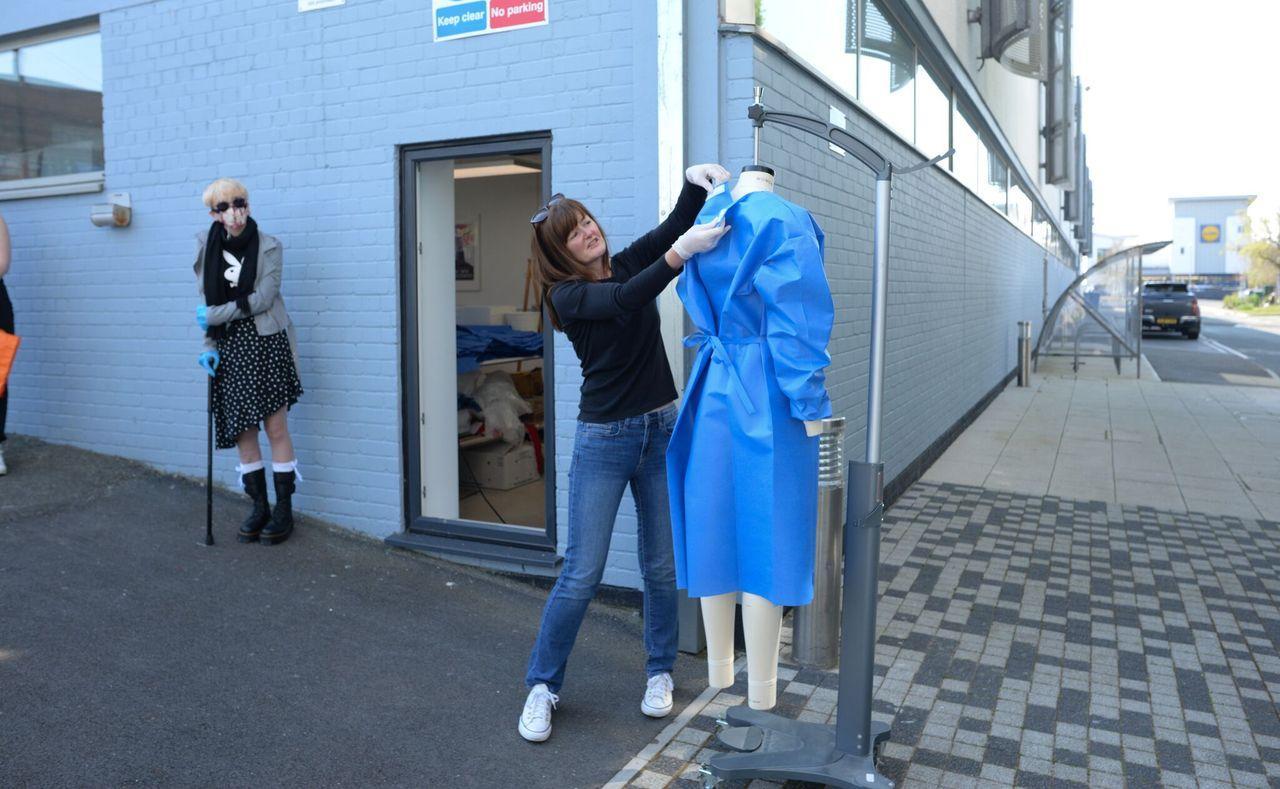
Makers HQ CIC provides cut, make and trim services to the fashion industry with a strong focus on achieving ethical, British manufacture; AUP was a founding partner and held Board membership from 2018-2022. The company drives community regeneration, through job creation, increased retention of highly-skilled graduates and training opportunities.
Figure 7. Fab City Plymouth
Figure 8. Makers HQ CIC
Raising skills and enhancing employability
We have contributed to economic development through free to participate initiatives that support new routes of access to education and provide skill development and CPD opportunities to people from outside of the established university community. Impacts have included increased confidence to continue to engage in formal education and enhanced employability/improved labour market status. Examples include:
Next Steps South West: 14 regional HEIs collaborate to support young people and adult learners to navigate their journey to higher education.
Hidden Talent in Devon (HTiD): 6 regional partners collaborated to support people of all ages to access higher level skills through short courses and creative workshops to support their employability, self-employment or progression to Higher Education.
Triple E-dge: 5 international partners from 5 countries collaborated to develop new learning models and tools to gamify entrepreneurial and digital skills for use in creative and vocational education and training.
Atlantic Youth Creative Hubs (AYCH): 13 partner organisations from 4 EU countries built a project of social innovation for young people (16-30); a non-formal education programme designed to support social entrepreneurship, employability, education and connecting across borders in the creative/cultural industries.
iMayflower - Smart Citizen Programme and Sustainable Design Initiative (SCP-SDI): an open invitation from AUP for ‘citizens’ in our region to nurture creative people power across the city and develop digital fabrication skills. The programme enabled skill development at all levels, and supported the participants to progress their skills alongside accessing sustainable entrepreneurship support.
Figure 9. Atlantic Youth Creative Hubs
Figure 10. iMayflower - Smart Citizens Programme

Creating professional opportunities for our students and graduates
AUP contributed to economic development by providing a range of opportunities for our students and graduates outside of their curriculum:
Made in Plymouth was a joint venture with 3 other local partners to create a social enterprise souvenir line that celebrates and supports local artists and makers including AUP students.
AUP was a joint lead partner in IGNITE Futures and Festival of Creativity (iMayflower) across three iterations between 2019/20 and 2021/2022. The Festival raised the profile of creative graduates in Plymouth and provided graduates with a suite of professional development opportunities and industry connections.
AUP regularly supports and promotes Student KE through promoting live brief opportunities to our students, these enable students to develop commercial relationships with external partners and businesses. We have established relationships with over 50 regional businesses with national and international profiles; these have resulted in live briefs and placement opportunities for students from every undergraduate degrees course and for our postgraduates. These opportunities contribute to talent retention in the Plymouth post-graduation.
During 2021/22, AUP committed Research England KE funds to develop a programme that business and community partners to benefit from the specialist talents and skills of our students, while also providing the students with valuable industry experience.
Stimulating entrepreneurship and SME development
AUP’s work supporting entrepreneurship and SMEs have resulted in new businesses, prototypes, new to firm/market products, and job creation:
AUP’s Fab Lab Plymouth is integral to our work in supporting entrepreneurship and SME development. Our Fab Lab is part of a network of over 1,000 official Fab Labs worldwide. It is a space for innovation and research encouraging investigation and material exploration for academics, students, the public and SMEs through digital manufacturing and fabrication processes.
Environmental Futures and Big Data Impact Lab (Impact Lab) was a partnership project that provided Devon based SMEs deep technical support to develop innovative new products, services and process innovations that have a sustainability and/or a data element. AUP’s expertise focused on materials research, digital design and digital manufacturing; delivered through our Fab Lab Plymouth.
Our AYCH activity is detailed in Public and Community Engagement and included enterprise and industry workshops, residencies, and incubation. The incubation programme was an intensive course in business development and entrepreneurship delivered by an expert consultant as well as 1:1 mentorship.
Our iMayflower - SCP-SDI programme also provided business training through two initiatives: Business Programmes for digital and creative businesses, aimed at graduating students; and Tech and Business Bootcamps that were open to all, and provided workshops and mentoring in key enabling technologies and prototyping skills.
Elevating the national and international profile of Plymouth and the region
AUP continued its partnership work with the TATE, the V&A and BFI. We initiated new partnerships with Southbank Centre’s Hayward Gallery for the British Art Show 9, and with Fuller Craft Museum (MA, USA) for Another Crossing Exhibition; The Box Plymouth was also a partner in both of these. Working with these high profile national arts organisations and exhibitions raises the national and international profile of AUP as an institution and the cultural profile of the City of Plymouth.
This international recognition and reputation is further reinforced by our international partnership working which has included sharing best practice and collaborating to co-create new and innovative ways of working.
As part of the British Council’s Crafting Futures Programme we shared expertise and best practice to support education in the craft sector delivered in Armenia, Azerbaijan and Georgia. This was a research, knowledge transfer, and vocational education project.
As detailed above, AUP was integral to Plymouth achieving Fab City status and we are the first city in the UK to do so; this shines a spotlight on our city. Fab Cities is an international movement that connects our university and our city with a global network of Fab Cities and Fab Labs.
Public space improvements
AUP engaged in partnership work that supports regeneration through public space improvements, primarily via our placemaking activity in the iMayflower and Green Minds partnership projects.
iMayflower was part funded by the DCMS Cultural Development Fund which aims to support regional culture-led economic growth and productivity by investing in place-based cultural initiatives and creative industries.
Green Minds, part funded by ERDF Urban Innovative Actions (UIA) programme focused on sustainable land management in key investment sites across Plymouth. AUP’s role in the partnership was to provide creative responses and interventions that would support communications and promote public engagement (see Public and Community Engagement).
In 2022, we were awarded funding from Interreg-funded C-Care Project and Historic England’s High Street Heritage Action Zone programme to establish a temporary gallery space on the high street as part of Plymouth Culture’s Meanwhile Use project which is focused on the revival of the city centre.
Aspect 3: Results
The outcome of our work in activity and regenerating public space is demonstrated by the outputs already described in terms of numbers of events, artworks, and footfall.
The Made In Plymouth project was intended to coincide with the city’s planned Mayflower 400 celebrations in 2020; despite the impacts of the COVID-19 pandemic the project successfully supported 12 new products brought to market.
Our Green Minds activity supported the opportunities within creative green careers: AUP secured 22 commissions from our delivery partners for our students valued at GBP33,130; AUP staff helped design, award and produce a portfolio of public commissions valued at a total GBP35,000.
Our iMayflower SCP project impact is measured both by the data provided in the infographic below but also by considering the participant journey of individuals as they progressed through different opportunities and training provided; this is reinforced by their testimonies and is exampled in our case studies.
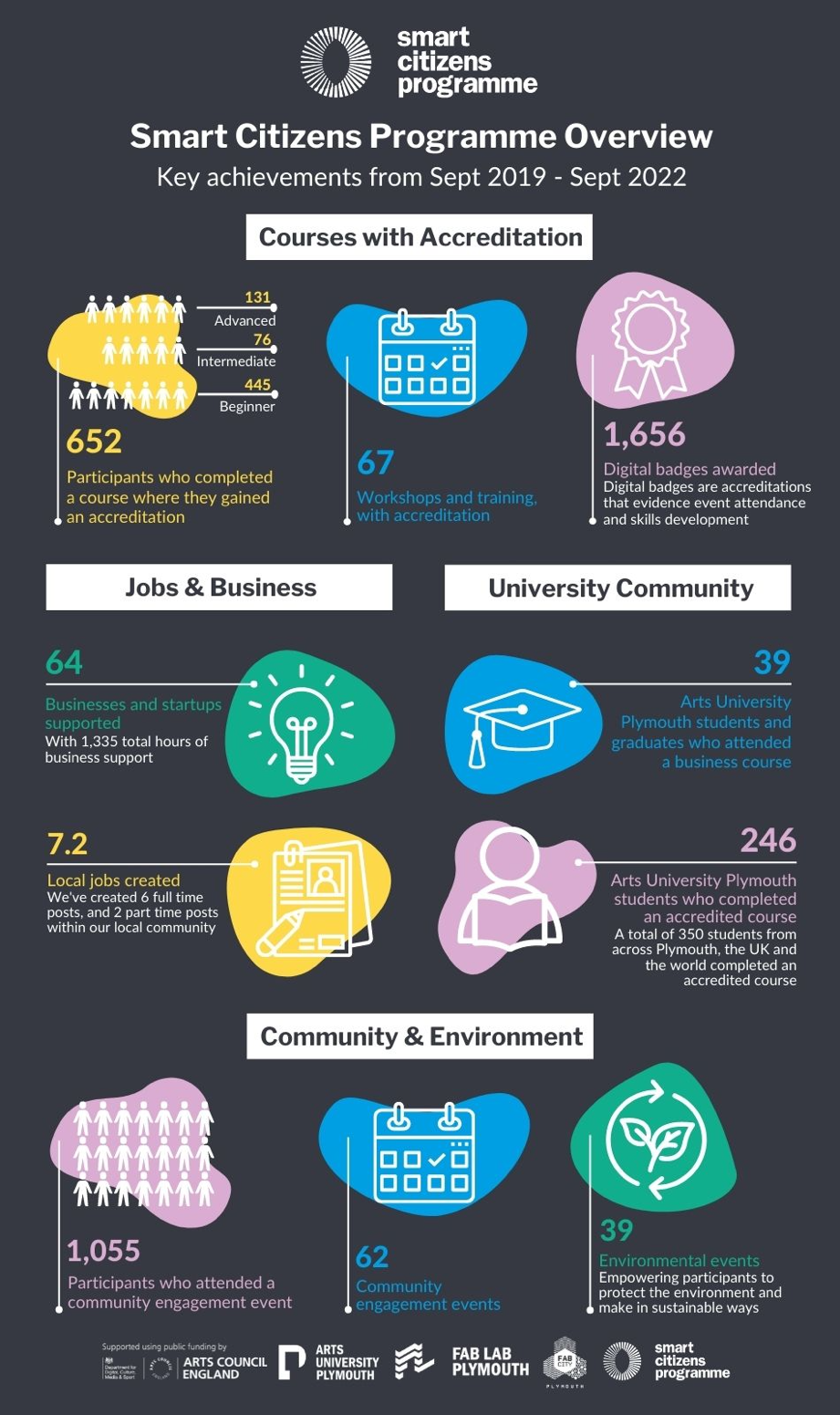
Figure 11. An infographic overview of the Smart Citizens Programme
AUP was a co-partner in the IGNITE Festival which across three iterations (2019/20 to 2021/22) supported 31 businesses and created 11 new jobs, projects and work experience opportunities.
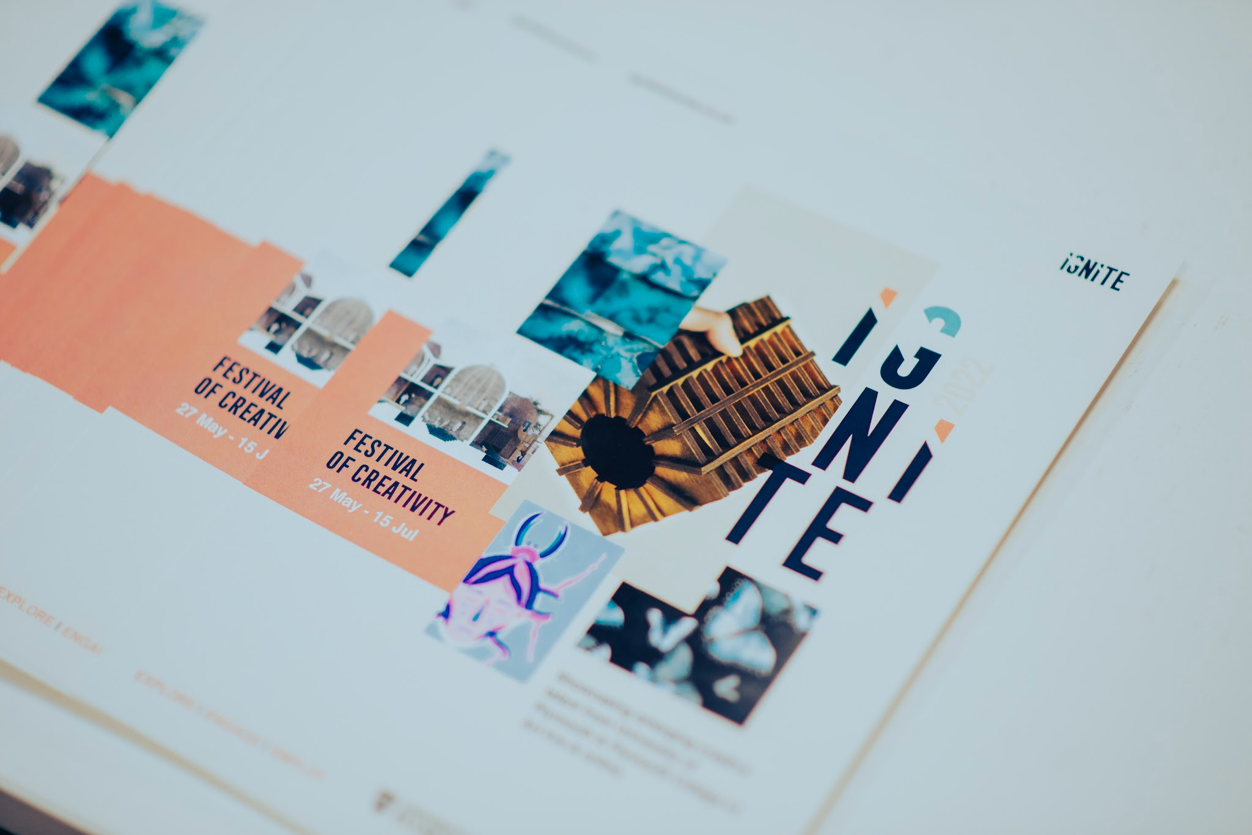
Figure 12. IGNITE Festival of Creativity
In the AYCH project, 23 people reported that the training provided by AUP had assisted them towards work, at the partnership level this rises to 173 people.
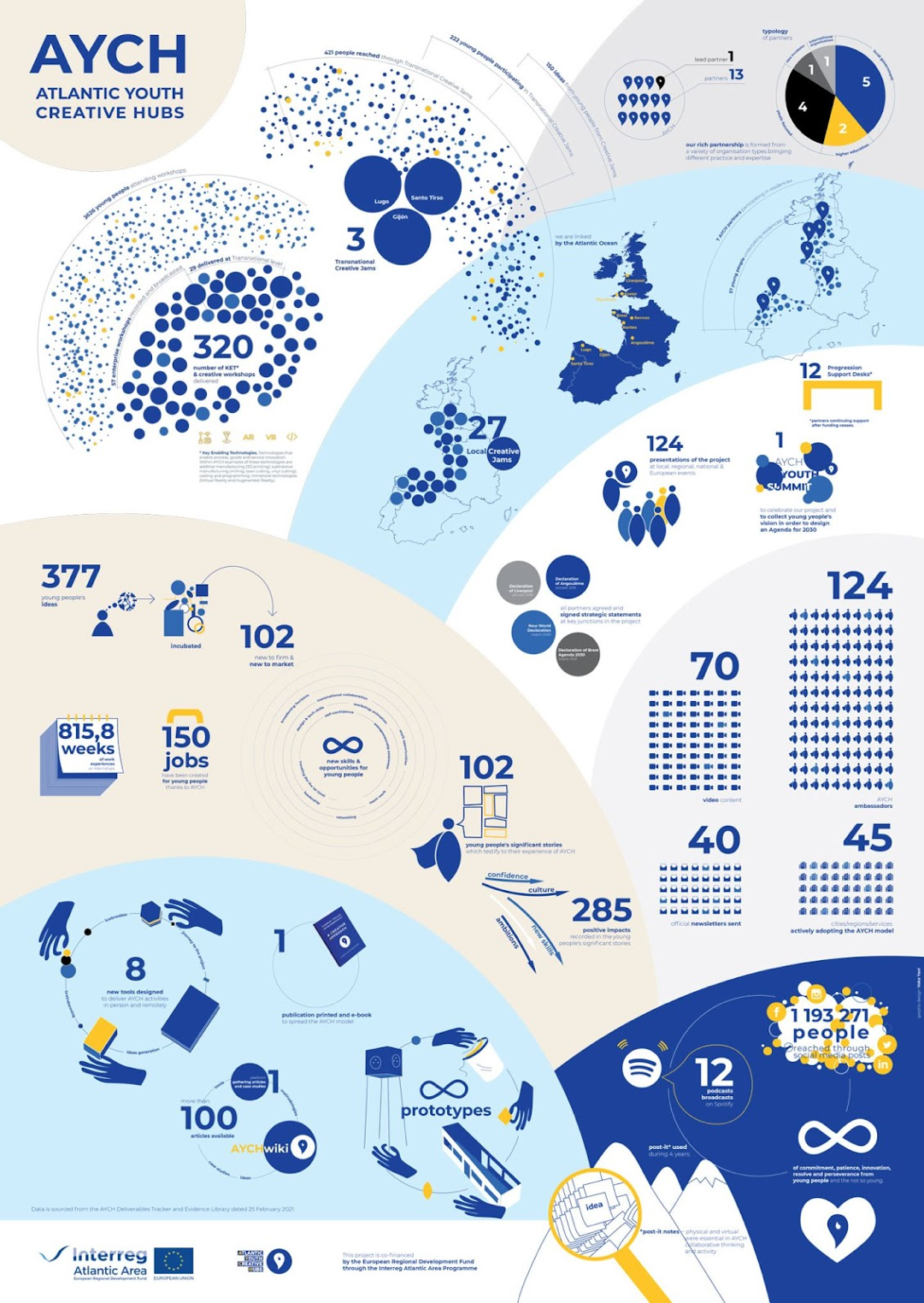
Figure 13. An infographic overview of the Atlantic Youth Creative Hubs (AYCH) project
Our activity within Impact Lab and iMayflower created 9.7 FTEs; at project partnership level these numbers increase to 378 FTEs.
The Impact Lab, AYCH, iMayflower, and SEED projects all completed during this period, through these AUP provided 4,819 hours of support to 130 SMEs; this resulted in 30 new products to firm/market; at partnership level this increases to 549 SMEs and 209 new products,
Through Impact Lab, SMEs could also apply for a grant to further develop their innovation; AUP supported 6 clients in accessing over GBP60,000 in grant funding.
During this period AUP’s Fab Lab worked on a consultancy and contract basis in the area of sustainable design and advanced manufacturing practice; they supported 36 SMEs through this activity.
Public & Community Engagement
Summary of approach
Arts University Plymouth (AUP) is a small specialist provider of Arts, Design and Media creative education with a strong sense of place and civic mission. We deliver Public and Community Engagement activities including:
access to our industry standard resources for the advancement of creative education
supporting charities in a variety of sectors
delivering a contemporary arts programme
engagement with city wide initiatives
We also manage a considered portfolio of 16 grant funded activities that provides targeted activity regionally, nationally, and internationally.
Consistent across our activity is the importance AUP places on public and community engagement as a civic responsibility and core value in the University and as a paramount part of our creative learning schema.
Aspect 1: Strategy
Strategic approach, priorities and goals
Our Public & Community Engagement (P&CE) activity during this reporting period is initially driven by the commitments of AUP’s Research, Engagement and Impact Strategy 2018-2023 (REIS); see Institutional Context. This includes a commitment to build social capital, cultural leadership and economic impact in Plymouth and our wider region. The REIS outlines that this will be achieved through our outreach, research, and social enterprise activities and their intersections; it identifies the need for the impact of this to be measurable across audiences, research culture, and the environment.
As outlined in Institutional Context, following our 2021 inaugural award of KE funding from Research England, we further developed our strategic frameworks including a KE Action Plan. The plan provides a clear path to achieving our objectives; its principles, already embedded in much of our P&CE work, provide the explicit framework for the portfolio of KE activity that we designed and initiated delivery of in 2021.
Public and communities
AUP has a broad definition of communities and to understand their needs our academics, technical, and business support staff engage with data and reports, local agencies, partners, and communities directly. Communities may be identified on the basis of specific characteristics stipulated by the funding body or partnership. We seek to nurture new relationships established in this way and look for opportunities for future engagement.
Equality, Diversity and Inclusion
AUP’s Equality, Diversity and Inclusion (EDI) policy extends to and drives our approach to working with communities and the public. In line with the Public Sector Equality Duty, we seek to foster good relations between all groups represented within our community.
Leadership, resource and value for money
A majority of partnership and project activity is overseen by the Head of Development and delivered by the Development Team. The Head of Development reports directly to AUP’s Vice-Chancellor and CEO and provides written reports to the Executive Senior Team, and the Research and Innovation Committee (RIC), providing scrutiny and accountability. The Research and Innovation Development Group supports the committee in its delivery and ensures that AUP’s activity: is in line with organisational strategy; adheres to AUP policies; delivers meaningful outputs; follows best practices in delivery, administration, and financial practices; and assesses value for money.
AUP’s project activity is funded/part funded by a variety of grants including: ESF, ERDF, ACE/DCMS, British Council, UKRI, BFI; where required match funding and in-kind support is provided by AUP. Indicative of our commitment to this work, we regularly exceed our contracted match funding commitments.
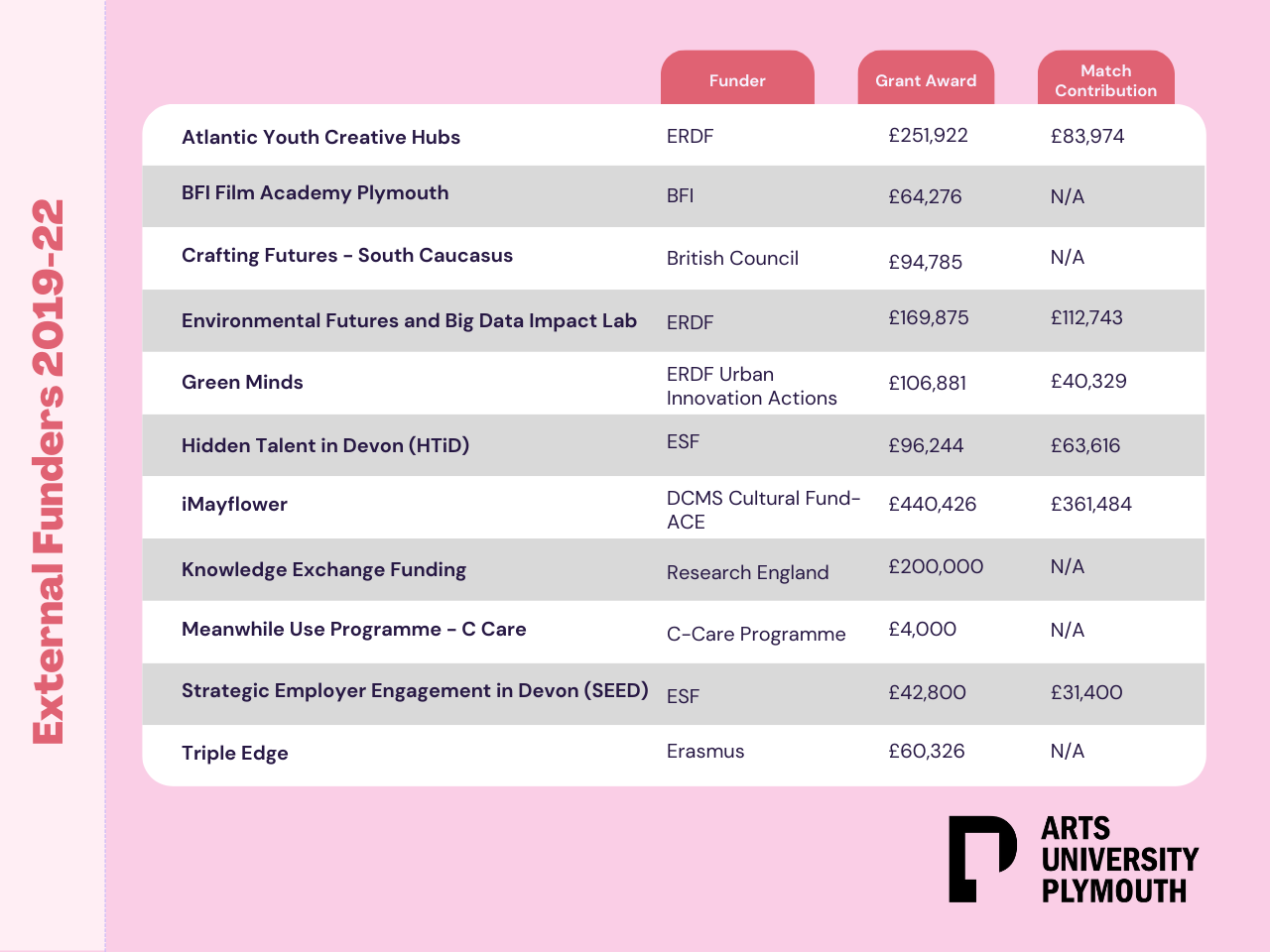
Figure 14. Arts University Plymouth's External Funders 2019-22 table
Aspect 2: Support
AUP’s Head of Development is responsible for the strategic development of our P&CE and KE activity, and securing external funding. The Project Manager and Fab Lab Manager oversee the delivery of these through or between their respective areas. The team works closely with other AUP business support teams to ensure the efficiency and efficacy of the work.
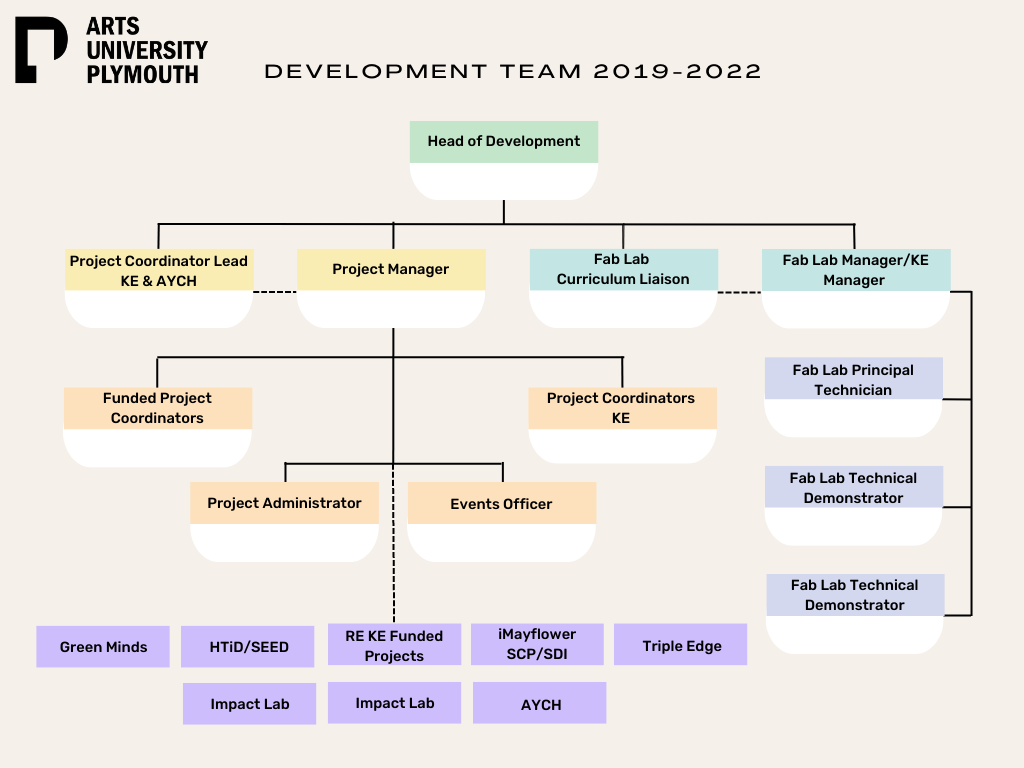
Figure 15. Organigram depicting the structure of Arts University Plymouth's Development Team 2019-2022
The Development Team ensures projects are impactful, and compliant with statutory regulations and funding requirements. Dedicated project staff roles are fully, or part funded directly through grant funding, additional finance is provided by the university as part of any required match funding contribution. Dedicated staff and direct funding ensures that the work is adequately resourced with accountability for performance.
Fab Lab Plymouth is a public-facing provision and community engagement is an explicit element of the Fab Lab staff contracts; this ensures that staff have the scope and capacity to deliver this commitment or to support other staff in doing so.
The Development Team develops opportunities for students and staff to participate in P&CE and KE within and beyond the curriculum; the model is developed on a project-by-project basis allowing us to be open and responsive to our communities. The Development Team, and Academics, support students to navigate relationships with external partners and to develop their professional skills and network.
The concentration of project management in this way advances our expertise and strategic decision making, maximises value for money, develops a network of internal and external stakeholders, and builds on past successes. The Development Team has become a resource for staff and students; they provide consultation or support to projects led by other staff, as well as providing student facing briefings, and training sessions.
Our students, academic, and technical staff are crucial to this work:
We celebrate staff and students through our internal and external communications
We work with partners to develop commercial and professional opportunities for students who demonstrate excellence in P&CE
Staff participation in P&CE supports their annual performance appraisal
Our 2021 award of Research England KE funding, enabled us to create new opportunities for staff, and to support and grow AUP talent, in line with our KE Action Plan. This involved a staff open-call that enabled academic and technical staff to extend the research developed through their Research, Innovation and Scholarly Activity time (RISA) into KE. Parallel to this we identified key projects for longer term KE investment.
Aspect 3: Activity
AUP has delivered a portfolio of high impact projects and KE over the past three years. Our 2022 KE Action Plan detailed our commitment to seek impactful community partners, develop reciprocal relationships, advocate ideation, problem solving and being human, and respond to our social and civic responsibility. The activity outlined below delivers against these commitments.
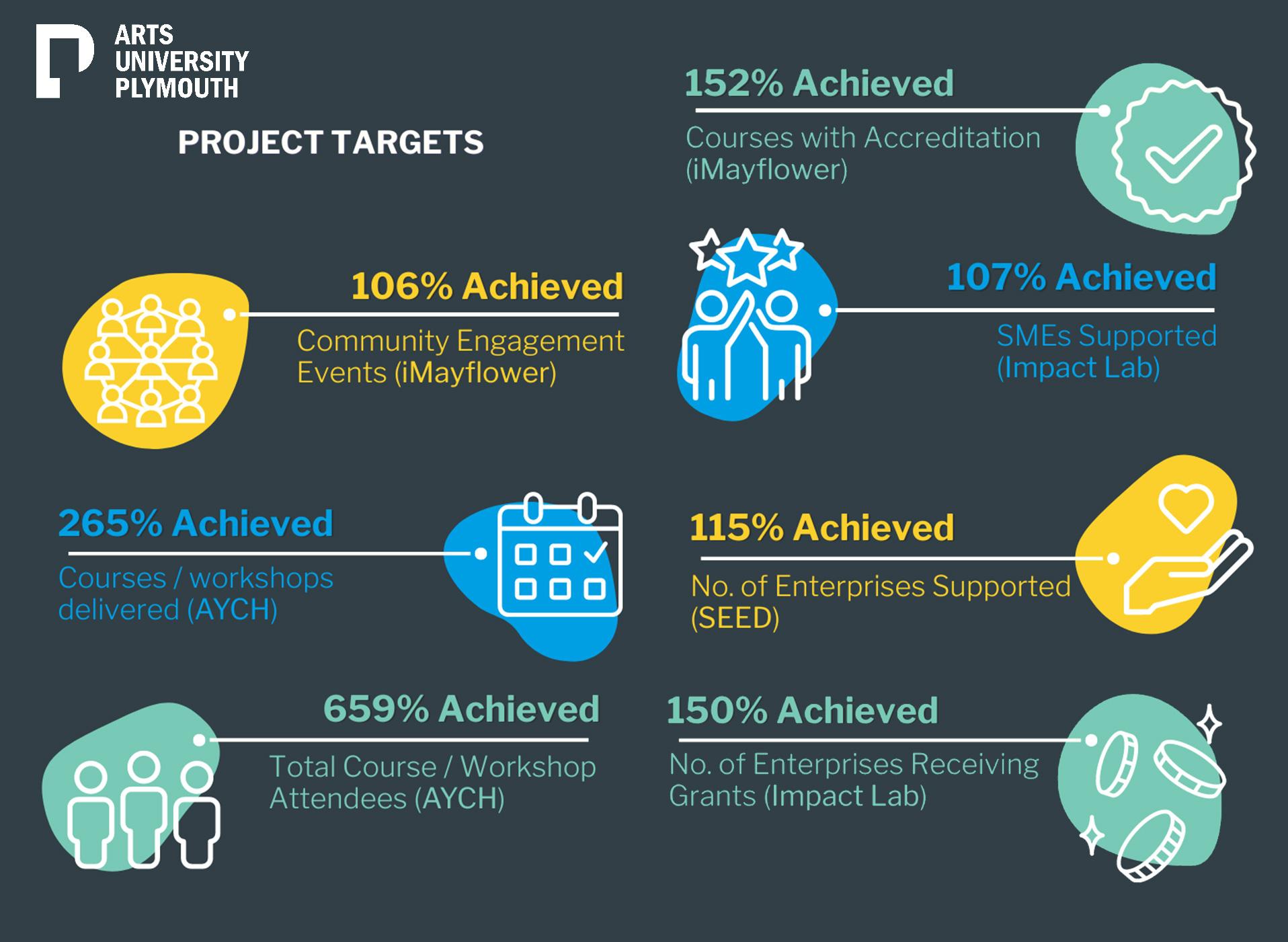
Figure 16. An infographic of Arts University Plymouth’s Project Targets
Despite the challenge of delivering through the COVID-19 pandemic period we have performed strongly; our funded projects have often exceeded KPIs and output targets, and achieved impressive audience figures (See Figures 11,13 & 16). We achieved this by responding to the challenges of the pandemic in an agile and flexible way to support our communities through revised delivery models and additional P&CE activity including supporting a Plymouth collective to produce essential PPE through 3D printing.
Overview
The scope and depth of our P&CE activities are evidenced in our HESA HE-BCI(table 5) for the period 2019/20 to 2021/22; we reported engaging 176,602 people at our public facing events and activities. These included public lectures and artist talks, exhibitions (on and off site), museum education, co-creation events, workshops and CPD. The HE-BCI report details only those engagements that are directly and solely attributable to our institutional activity. When the view is extended to include our many collaborative endeavours or activity beyond the HE-BCI criteria, the figures are substantially higher (for example see Ignite below).
Access to our facilities
Our P&CE includes welcoming the public to engage with us via our campus and facilities. This includes free exhibitions and events at MIRROR gallery, membership of digital fabrication facility Fab Lab Plymouth, use of AUP’s Imprint Lab and Digital Print Bureau; attending Plymouth Arts Cinema, an independent charity based in our campus; and our evening short course programme (suspended 2021). Following our 2021 award of KE funding for Research England we initiated a pilot programme that will provide increased access opportunities to our specialist making labs.
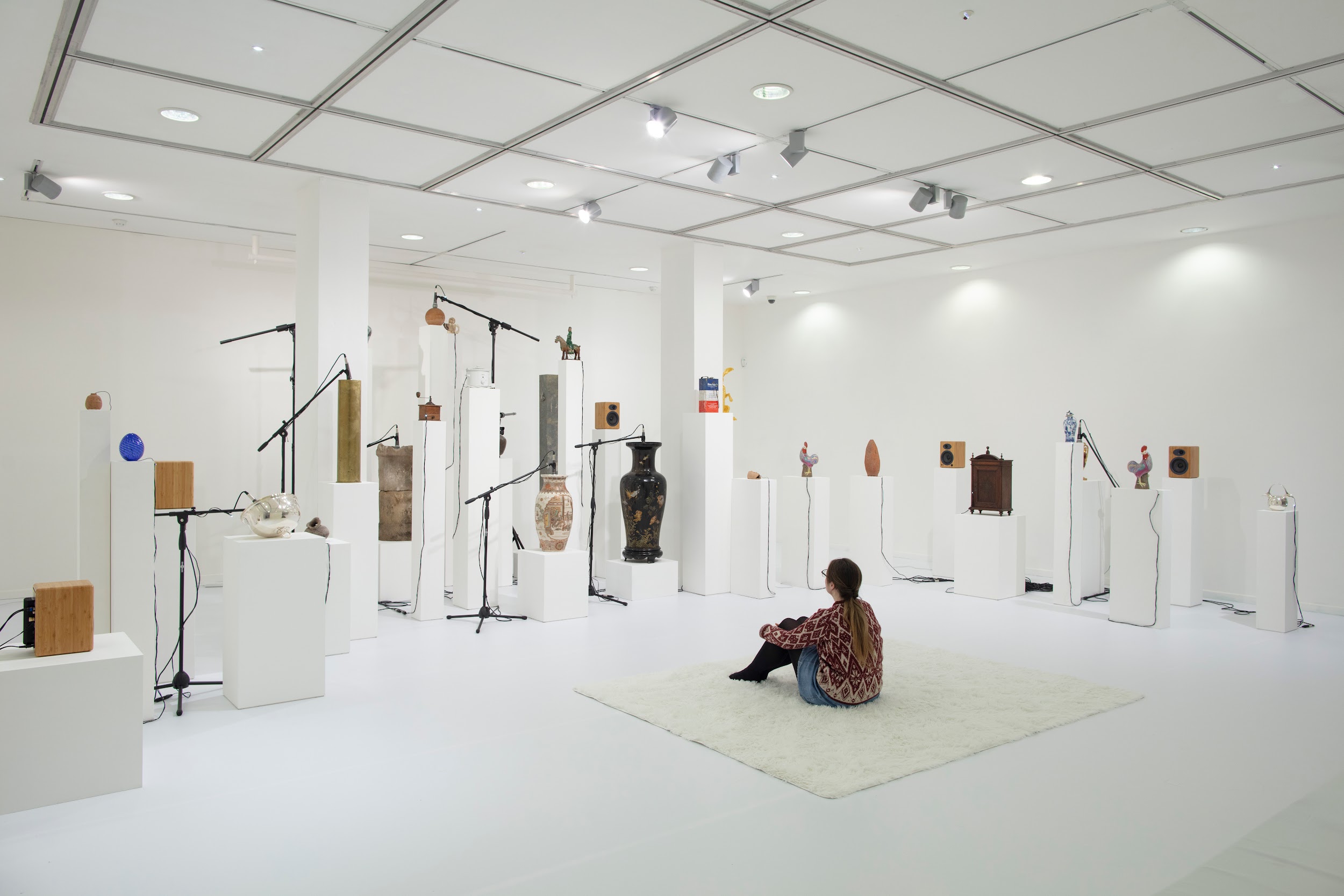
Figure 17. Oliver Beer's 'Household Gods' at MIRROR- British Art Show
Skills and training opportunities
In Local Growth and Regeneration we outlined that Next Steps South West (NSSW), Hidden Talent in Devon (HTiD), Triple E-dge, Atlantic Youth Creative Hubs (AYCH), iMayflower Smart Citizens Programme and Sustainable Design Initiative (SCP-SDI) all raised skills and enhanced employability that resulted in outputs such as job creation and new products to the firm/market (see Figures 11 & 13). Significant to discussion of P&CE, is that the model by which this was achieved was primarily through free to access non-formal education opportunities including workshops, hackathons and creative jams, incubation and residency opportunities; we also created a variety of digital assets that remain free to the public including training and webinar videos, publications, and online toolkits.
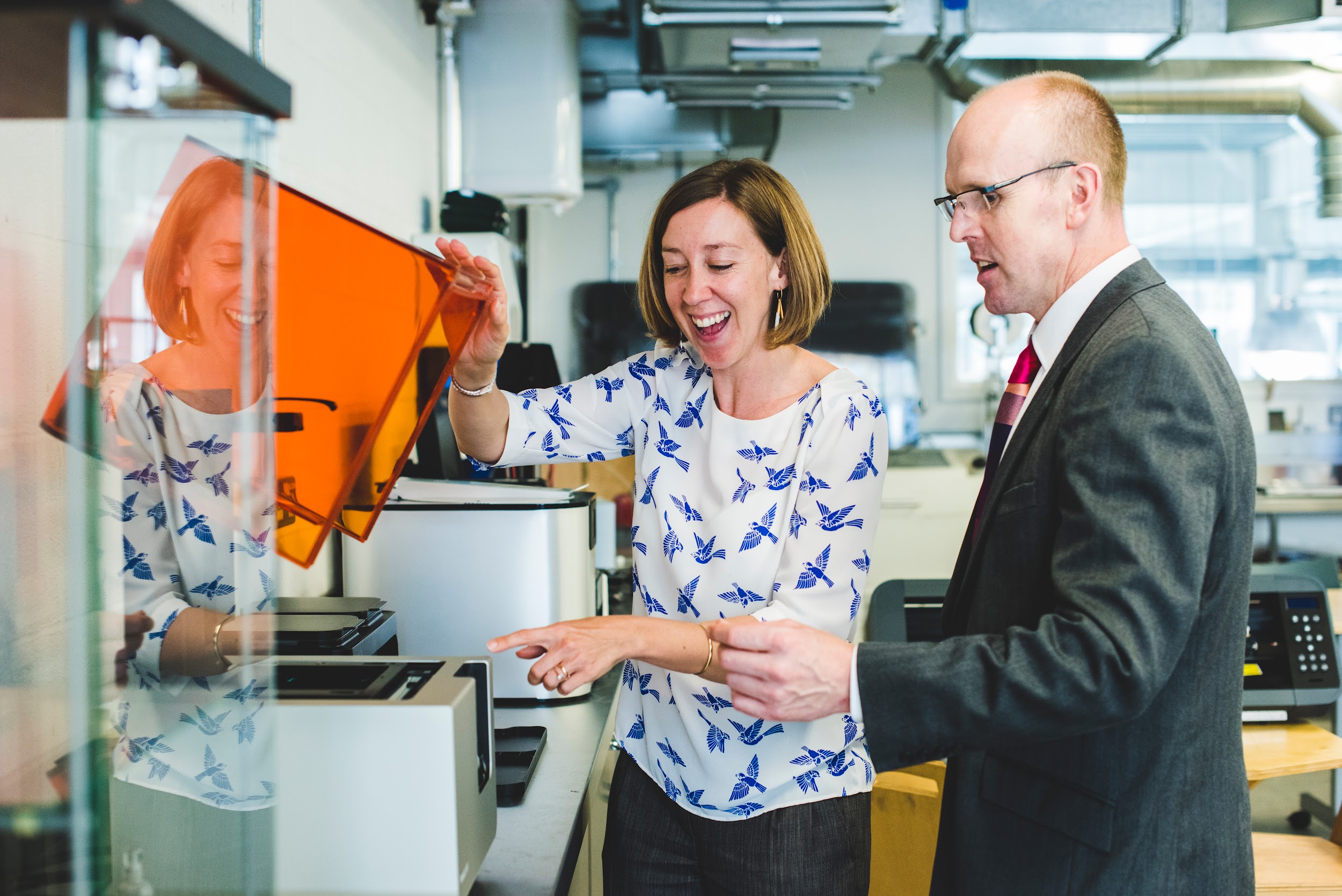
Figure 18. 3D Fabrication at Fab Lab Plymouth
Two recent examples of type and scale of these public and community engagement activities include:
Our AYCH work delivered 88 enterprise, creativity and technology workshops to 527 young people (aged 18-30); hosted 5 Creative Jams; and supported 61 people in incubation and residency programmes.
Our SCP-SDI programmes provided open access free specialist training across 67 workshops and events from beginner to advanced levels; 652 people completed accredited courses and 1,656 digital badges were awarded to evidence attainment.
Our P&CE programmes, focused on individual participant journeys, were the mechanism for results indicated in LG&R. Significantly, co-creation and collaboration played a role in the design and delivery of many of these experiences ensuring that our work responded impactfully to the needs of the individuals and communities.
Our skills and training P&CE activity is international in reach. This includes the aforementioned transnational partnership projects Triple E-dge and AYCH (see L&GR Aspect 2) as well as an ongoing partnership with the British Council through their Crafting Futures Programme. Since late 2019, our focus with the British Council has been the South Caucasus project which has involved research into craft production and education in Georgia, Armenia and Azerbaijan and the design and trial of education modules in each of these territories.
Engaging with young people
AUP has a long history of providing opportunities for young people (under 18) to have meaningful and impactful engagement with our university. NSSW has already been noted, two more ongoing examples of this include:
AUP’s Young Arts programme, incorporating the free National Art and Design Saturday Club, which bridges a gap in arts provision in schools; from 2019/20 to 2021/22 we provided 4,285 places for young people, and is supported by AUP’s Charitable Trust.
Our BFI 16-19 Film Academy provides industry standard training in filmmaking to young people; 63 young people participated in this programme in the four iterations 2019/20 to 2021/22.
AUP is a supporter of Jeremiah's Journey, a charity that works with young people who have terminally ill parents during the period of illness and after the family bereavement.
Figure 19. BFI Film Academy at Arts University Plymouth
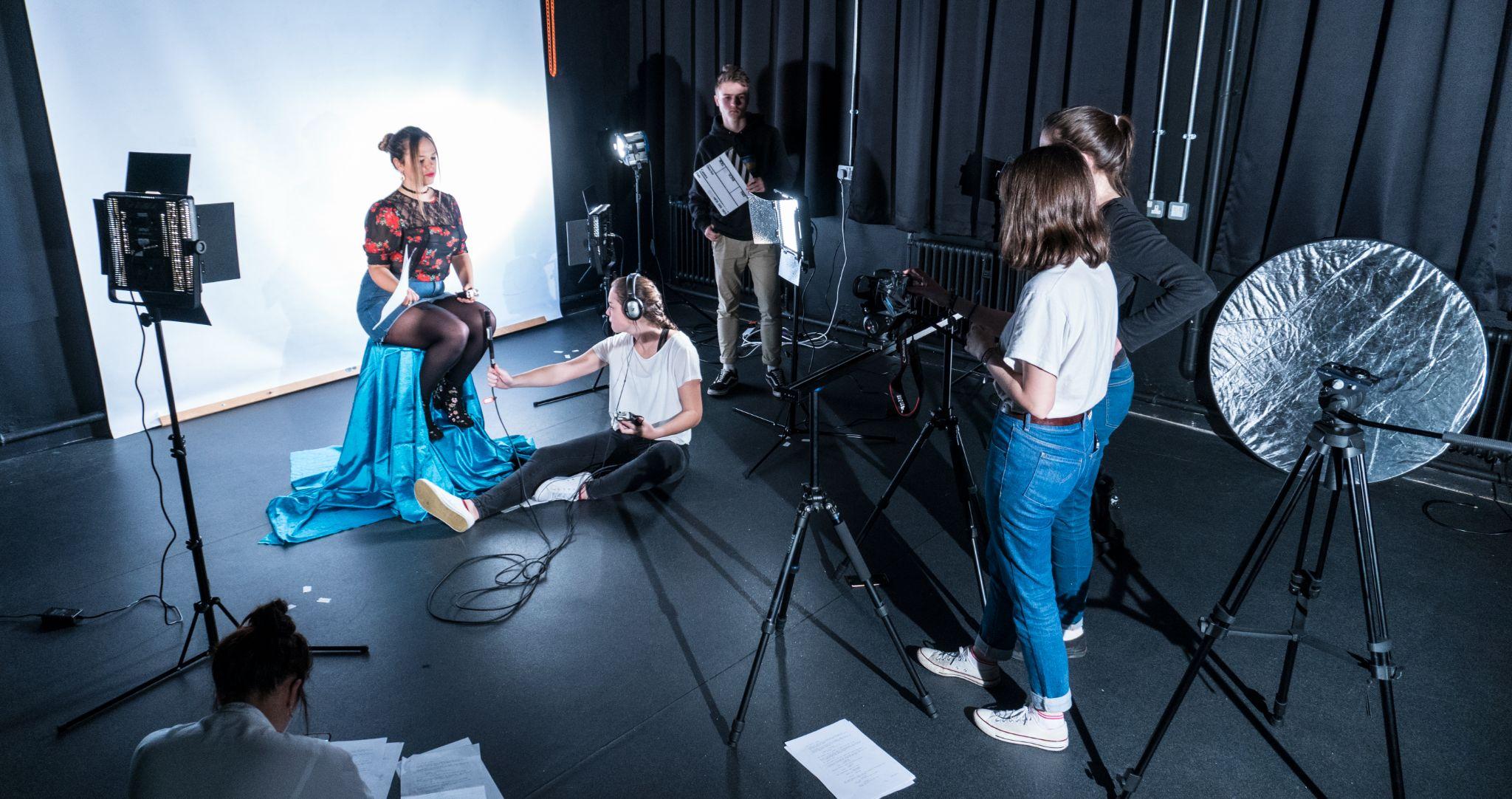
Events and exhibitions
As a specialist creative arts university, we deliver a rich and diverse portfolio of art in the public realm activity. These include key ongoing initiatives, funded projects, collaborations and strategic partnerships. Some highlights from 2019/20 to 2021/22 include:
MIRROR Gallery delivered 7 free exhibitions, including Another Crossing, and 12 free events to an audience of approximately 18,200 people on campus and 44,000 off-site.
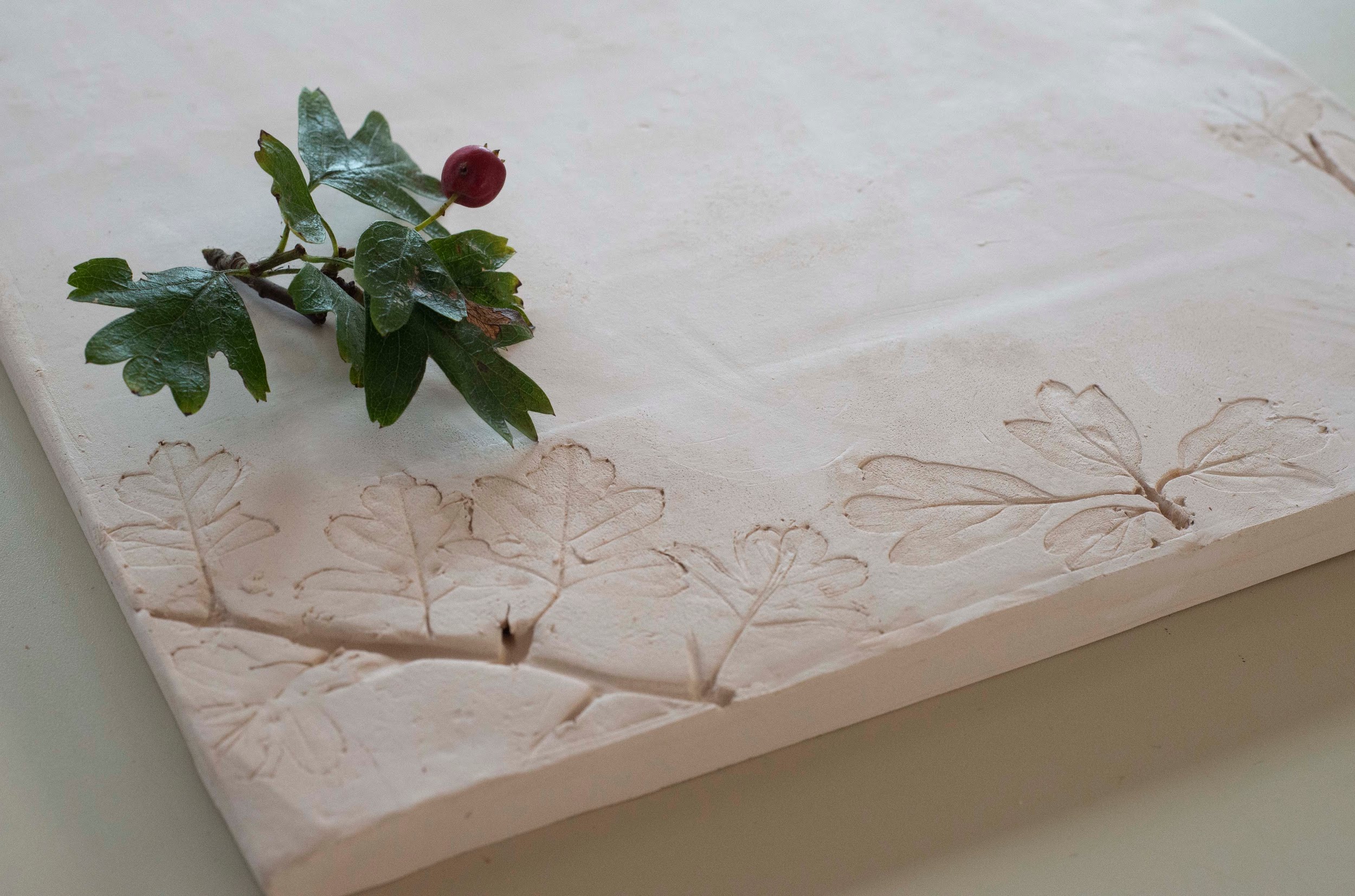
Through the Green Minds project AUP’s student body delivered 14 projects to engage the public with nature in innovative and imaginative ways.
IGNITE Festival of Creativity achieved a total footfall of 576,000 people (in partnership with University of Plymouth) across public facing sites including digital screens, shops, galleries, and public spaces.
As a founding partner, AUP’s specialist staff contributed to the artistic and curatorial direction of the ILLUMINATE Festival including supporting students to develop original artworks; the two iterations of ILLUMINATE had a total combined footfall of 75,000 people.
Figure 20. Green Minds - Ceramic tile sample for Blockhouse Park, Plymouth
Other public and community engagement activities
AUP delivered a wide variety of public talks and demonstrations including: Making Futures Biennial Conference 2019 and 2021; Another Crossing public study days; Melting Pot: Hot Glass Gathering and demonstrations; and our iMayflower SDI talks.
We participated at 62 community events led by other organisations through which we engaged with over 1,100 people.
As detailed in LG&R, we supported a variety of local social enterprises and businesses.

Figure 21. Melting Pot: Hot Glass Gathering- March 2022
Aspect 4: Enhancing practice
The REIS outlines institutional goals as KPIs; the external projects and partnerships through which much of this is delivered stipulate detailed KPIs with defined targets and outcomes within the funding agreements or project contracts. These projects typically require: levels of reporting on a monthly, quarterly, and annual basis; detailed evidence of outputs and performance; and larger programmes are subject to multiple levels of evaluation including an external evaluator.
As previously indicated (see Figure 16), AUP has performed strongly against these KPIs. The KPIs from our portfolio of projects has provided us with a breadth and depth of quantitative data that was not previously available.
This combined data has helped us to understand our institutional outputs and impacts and has enabled enhanced internal reporting including to the Research and Innovation Committee (RIC) and the Academic Board. Therefore, we have developed an internal tool for rigorous and consistent data gathering in project activity to ensure we capture information required for returns, evaluation, and internal scrutiny. From this foundation we recognise the value of further embedding monitoring and evaluation across the organisation in order to identify and promote excellence, centrally ensure quality and compliance across all activity, and support more complete internal and external reporting of data.
AUP’s senior leadership recognise the need for developing a rigorous approach underpinned by measurable KPIs and targets; this is a foundation principle in the current phase of our strategic development.
Aspect 5: Building on success
AUP’s P&CE and KE activity has significantly increased during the three years from 2019. Responding to this we have honed our strategic goals and stretched our ambitions, this is demonstrated through the KE Ecosystem (see Institutional Context) and KE Action Plan. The forthcoming new institutional strategic plan Creative Education for a Changing World will further formalise and extend these and provide the strategic vision and our KPIs for the future towards 2030 and beyond.
Building on success
As indicated in Aspect 4, we have performed strongly against our goals despite the challenges of public and community engagement during the pandemic period. Our success has been in large part to our willingness to be flexible, agile, and to respond to the feedback and changing needs of our communities. Our partnership-led projects ensure that we have input from other organisations including additional community partners during design, delivery, and evaluation stages. This enables us to co-design activity and respond directly to feedback; it can critically inform our evaluation work and influence future projects.
Our project design is shaped by experiences from previous projects in terms of what is needed and what works. For example, the ‘Make Almost Anything’, ‘Make Change’ and ‘Fusion 360’ training originally delivered within HTiD provided the foundation for extended courses in these areas as part of iMayflower and AUP’s core widening participation activities, while the Creative Jam was utilised in AYCH.
The effectiveness of this approach is evidenced by the individuals and organisations who have embarked on a learning journey through repeat engagement with successive activities within or across projects.
Our 2021 KE activity, has been shaped by this approach and our activities have been co-designed with stakeholders and with communities from the outset; this key preparatory work marks the next phase of building on our successes and creating a foundation for future successes.
Governance and reporting
As per PC&E Aspect 4, our funded projects are subject to intensive reporting and evaluation processes. Scrutiny is applied to both individual partners and the overall partnership delivery including input from stakeholders such as the public. Robust governance resides at all levels of the institution to ensure collaborative and transparent decision making. Internally our reporting and evaluation for our KE and P&CE activity is presented via the Head of Development to the Research and Innovation Committee (R&IC) and directly to the Vice-Chancellor as a direct report. The R&IC has been established to take strategic and high level policy decisions in the area of research, innovation, enterprise and scholarship and reports into the Academic Board which reports directly to the Board of Governors.
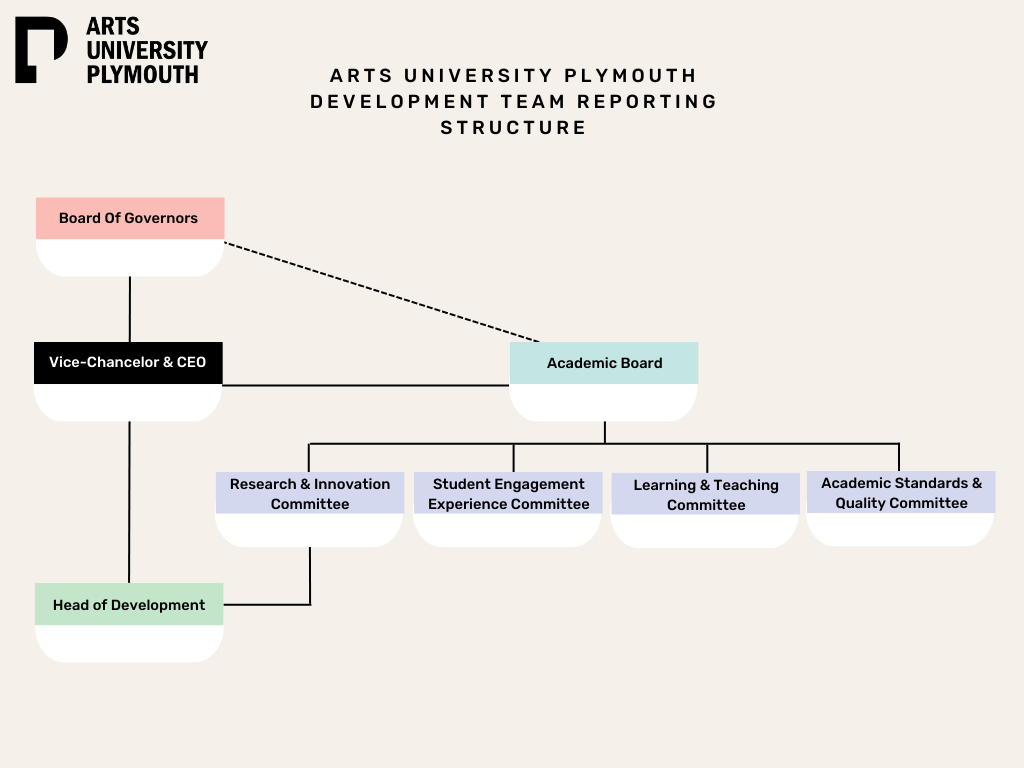
Figure 22. Arts University Plymouth Reporting Structure
Note You are currently viewing the latest version of this narrative statement. View the previous version as published in previous iterations of the KEF (KEF1 and KEF2)